
Roadmap
ToggleNALSAR Signs MoU with BRIC-CDFD to Strengthen Forensic DNA Integration in India’s Criminal Justice System
NALSAR University of Law has entered into a Memorandum of Understanding (MoU) with BRIC–Centre for DNA Fingerprinting and Diagnostics (BRIC-CDFD) to promote the responsible integration of forensic DNA technology into India’s criminal justice system.
The collaboration, signed on 1 April 2026, focuses on strengthening the connection between legal education, forensic science and judicial processes. The initiative seeks to encourage scientifically reliable and ethically responsible use of DNA evidence in criminal investigations and court proceedings.
NALSAR and BRIC-CDFD MoU: Key Highlights
The partnership is intended to create a stronger framework for understanding and applying forensic DNA evidence within the justice system.
Key areas of the collaboration include:
- Integration of forensic DNA evidence: Promoting better understanding of DNA profiling among legal professionals and other stakeholders.
- Interdisciplinary education: Connecting legal studies with forensic science, biotechnology and scientific evidence.
- Training and capacity building: Supporting programmes that can improve the knowledge of students, researchers, lawyers and other justice-system professionals.
- Development of protocols: Working towards scientifically sound and ethically appropriate approaches for handling DNA evidence.
- Judicial reliability: Encouraging the use of reliable scientific methods to improve the evidentiary value and interpretation of forensic DNA.
- Legal reform: Contributing to discussions surrounding the regulation and responsible use of emerging forensic technologies.
Why Forensic DNA Evidence Matters
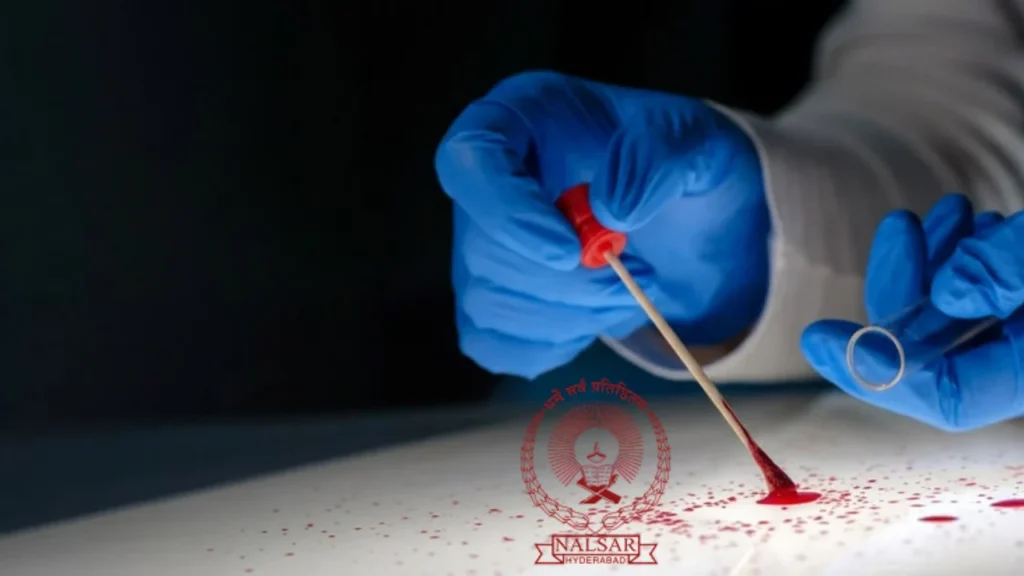
DNA profiling has become an important forensic tool because biological evidence can help investigators establish links between individuals, crime scenes and unidentified persons. However, the scientific value of DNA evidence also depends on proper collection, preservation, laboratory analysis, interpretation and presentation before a court.
For the legal system, understanding these scientific processes is essential. Lawyers and judges need sufficient scientific awareness to assess issues such as the reliability of testing methods, chain of custody, laboratory procedures and interpretation of DNA results.
The NALSAR-BRIC-CDFD collaboration therefore represents an interdisciplinary approach to strengthening evidence-based justice.
Focus on Ethics and Scientific Reliability
A significant aspect of the partnership is its emphasis on ethical and scientifically responsible use of forensic DNA profiling. As forensic technologies develop, legal institutions must also consider privacy, individual rights, evidentiary safeguards and appropriate standards for scientific evidence.
The collaboration aims to encourage a framework in which technological advancements can support criminal justice without compromising fundamental legal and ethical principles.
About NALSAR University of Law
NALSAR University of Law, located in Hyderabad, Telangana, is a prominent national law university known for legal education, research and interdisciplinary academic initiatives. The institution has been involved in research and academic activities covering various areas of law and emerging legal issues.
Its collaboration with a specialised scientific institution such as BRIC-CDFD highlights the growing importance of interdisciplinary legal education.
About BRIC-CDFD
BRIC–Centre for DNA Fingerprinting and Diagnostics (CDFD) is a specialised scientific institution associated with research and services in DNA fingerprinting, genomics and diagnostics. Its expertise in DNA-related scientific applications provides an important foundation for developing greater understanding of forensic genetic evidence.
Significance of the Collaboration
The MoU may contribute to:
- Better scientific literacy within legal education.
- Improved understanding of forensic evidence.
- Development of interdisciplinary training programmes.
- Greater awareness of ethical issues surrounding DNA profiling.
- Evidence-based approaches to criminal justice.
- Future discussions on forensic science policy and legal reform.
Conclusion
The MoU between NALSAR and BRIC-CDFD marks an important step towards bringing law and forensic science closer together. By focusing on scientific reliability, ethical safeguards, training and protocol development, the collaboration has the potential to strengthen the understanding and responsible use of DNA evidence in India’s criminal justice system.
As forensic technologies continue to evolve, collaborations between legal and scientific institutions can play an important role in ensuring that technological advances are effectively integrated into the justice system while protecting fairness, rights and due process.