
About Indus Waters Treaty (India & Pakistan)
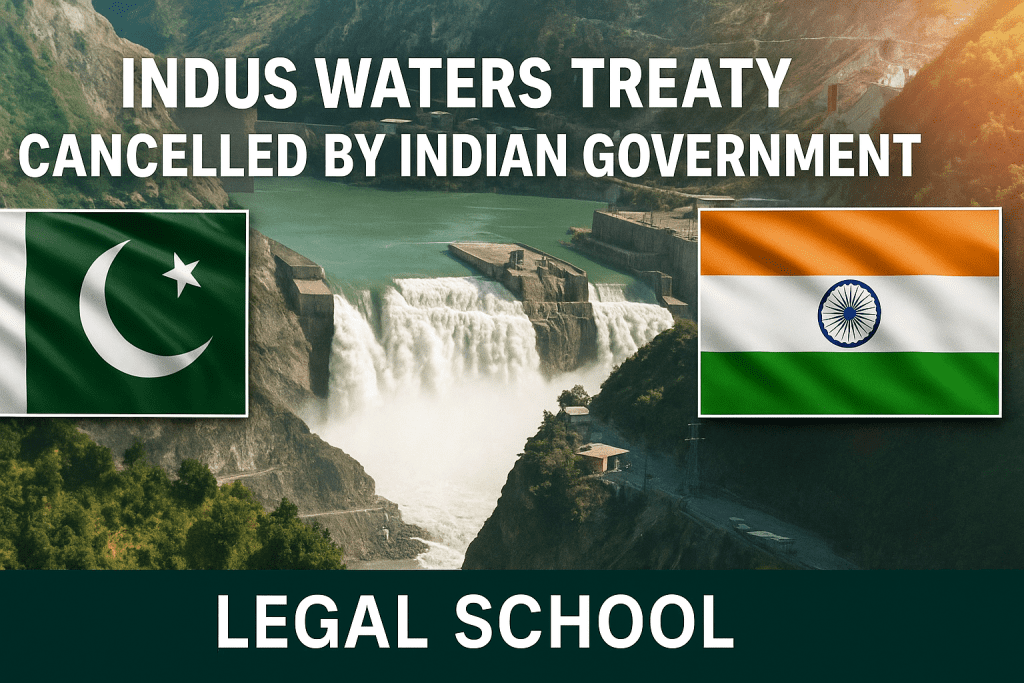
The Indus Waters Treaty (IWT) is a landmark water-sharing agreement between India and Pakistan, signed on September 19, 1960, in Karachi. Brokered by the World Bank, the treaty delineates the control and usage rights over the six rivers of the Indus River system.
Overview of the Indus Waters Treaty
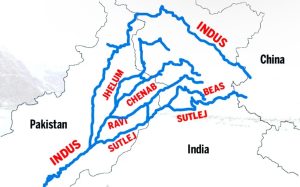
Eastern Rivers (Beas, Ravi, Sutlej): Allocated to India for unrestricted use.
Western Rivers (Indus, Jhelum, Chenab): These are allocated to Pakistan, and India is permitted limited non-consumptive uses, such as hydroelectric power generation, without altering the flow.
The treaty also established the Permanent Indus Commission, comprising representatives from both nations, to facilitate cooperation and resolve disputes.
Historical Background: Indus Waters Treaty
The treaty allocates the waters of the six rivers in the Indus system as follows:
Eastern Rivers: Ravi, Beas, and Sutlej are allocated to India.
Western Rivers: Indus, Jhelum, and Chenab are allocated to Pakistan.
Under strict regulations, India retains limited rights over the western rivers for non-consumptive uses such as hydroelectric power generation, navigation, and irrigation. The treaty has been hailed as one of the most successful examples of water diplomacy, having withstood multiple wars and periods of high tension between the two nations.
Recent Developments (April 2025): Indus Waters Treaty
In April 2025, a significant escalation occurred when a militant attack in the Baisaran Valley of Pahalgam, Jammu and Kashmir, resulted in the deaths of 26 civilians, including Indian tourists and a Nepali national. India attributed the attack to Pakistan-based militants, although no public evidence was provided.
In response, India suspended the Indus Waters Treaty, downgraded diplomatic ties, and closed the main land border crossing with Pakistan. Pakistan condemned the suspension, warning that any interference with its water supply would be considered an act of war.
Significance and Implications
The suspension of the IWT marks a critical juncture in India-Pakistan relations. The treaty has been a cornerstone of peaceful cooperation over shared water resources, even during times of conflict. Its suspension raises concerns about potential water insecurity in Pakistan and the risk of further escalation between the two nuclear-armed neighbors.
Recent Developments
On April 23, 2025, following a deadly militant attack in Kashmir that resulted in the deaths of 26 civilians, including 24 Indian tourists, India accused Pakistan of supporting cross-border terrorism. In response, India announced the suspension of the Indus Waters Treaty, a move that has significantly escalated tensions between the two nuclear-armed neighbors.
Pakistan has vehemently opposed India’s unilateral suspension of the treaty, labeling it a potential act of war and warning of severe economic and food security impacts due to its heavy reliance on the Indus River system for agriculture and hydropower.
Calls for Treaty Modification: India Pakistan Water Treaty Canceled
Prior to the suspension, in January 2023, India had issued a notice to Pakistan seeking a review and modification of the treaty under Article XII (3), citing:
Demographic Changes: Significant population growth necessitating increased water usage.
Clean Energy Needs: The need to develop hydropower projects to meet clean energy targets.
Security Concerns: Persistent cross-border terrorism affecting the treaty’s implementation.
Current Status: India Pakistan Water War 2025
The suspension of the Indus Waters Treaty marks a significant deterioration in India-Pakistan relations. While the treaty had withstood previous conflicts, the current situation underscores the fragility of bilateral agreements amid escalating geopolitical tensions. The international community has expressed concern over the potential for further escalation between the two countries.